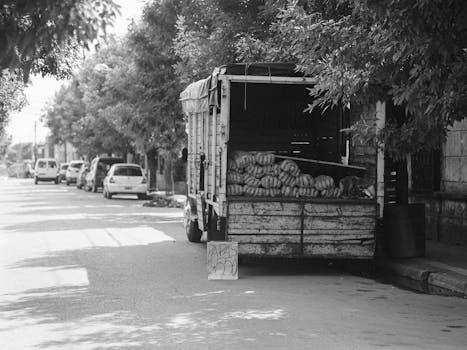
Picture this: A rugged pickup navigates a dusty Amman street, its bed laden with goods, a testament to the vital role trucks play in Jordan’s economy. Or perhaps a fleet of larger commercial vehicles hums along the Desert Highway, silently underpinning the nation’s logistics. The market for jordan truck sales is far more than just a transaction; it’s a reflection of economic vitality, evolving infrastructure, and the practical needs of a dynamic population. Moving beyond simple listings and price tags, a deeper dive reveals a complex interplay of factors that influence this crucial sector.
The Economic Thermometer: How GDP Influences Demand
It’s no secret that the automotive sector, particularly commercial vehicles, acts as a barometer for a nation’s economic health. In Jordan, this correlation is particularly pronounced. When the Gross Domestic Product (GDP) shows robust growth, it often signals increased activity across various industries – construction, agriculture, trade, and manufacturing. These sectors, in turn, are heavily reliant on efficient transportation, directly boosting the demand for new and used trucks. Conversely, economic downturns or periods of uncertainty can lead to a more cautious approach from businesses, resulting in a slowdown in jordan truck sales. This isn’t just about individual purchases; it’s about larger fleet acquisitions that signal confidence in future market conditions.
#### Understanding the Ripple Effect of Infrastructure Projects
Large-scale infrastructure development, a common theme in national development plans, invariably creates a surge in demand for heavy-duty and medium-duty trucks. Think of major road construction, port expansions, or new industrial zone developments. These projects require substantial hauling capacity for materials like sand, gravel, cement, and heavy machinery. Consequently, dealers and manufacturers see a noticeable uptick in inquiries and sales specifically targeting these robust vehicles. It’s a direct link: more cranes and excavators in the ground often mean more trucks on the road.
Consumer Preferences: More Than Just Horsepower
When we talk about jordan truck sales, it’s crucial to look beyond generic models and understand the specific needs and preferences of the Jordanian buyer. The market often sees a strong demand for reliable, fuel-efficient, and durable vehicles that can withstand varied terrain and operating conditions.
#### The Enduring Appeal of Used Trucks
The pre-owned vehicle market holds significant sway in Jordan. For many small businesses and independent operators, the prohibitive cost of brand-new heavy machinery makes used trucks a far more accessible and economically viable option. This segment of jordan truck sales is characterized by a keen eye for value, meticulous inspection, and an understanding of long-term maintenance costs. Reliability and a proven track record become paramount, often outweighing the allure of the latest technological features. I’ve often found that a well-maintained older model can offer superior long-term cost-effectiveness for budget-conscious buyers.
Navigating Regulations and Import Dynamics
The landscape of vehicle importation and registration in Jordan plays an undeniable role in shaping jordan truck sales. Government policies, import duties, and emissions standards can significantly impact the cost and availability of certain truck models. For instance, stricter regulations on older, more polluting vehicles might incentivize the purchase of newer, compliant models, even if the initial outlay is higher. Understanding these regulatory frameworks is not just for compliance; it’s a strategic necessity for dealerships and a key consideration for informed buyers.
#### The Impact of Global Supply Chains
Like many markets globally, Jordan’s truck sector is not immune to the vagaries of international supply chains. Delays in manufacturing, shipping disruptions, or fluctuations in raw material costs can all have a cascading effect on availability and pricing. This means that even when demand is high, the ability to fulfill it can be constrained, leading to extended wait times for new orders and a potential surge in demand for readily available used vehicles.
Emerging Trends and Future Outlook
The future of jordan truck sales is likely to be influenced by several evolving trends. Increased focus on fleet efficiency and telematics, for example, could drive demand for trucks equipped with advanced tracking and management systems. Furthermore, as global discussions around sustainability gain traction, we may see a gradual, albeit perhaps slow, shift towards exploring more fuel-efficient or alternative-powertrain options, though practical considerations like infrastructure and cost will undoubtedly remain significant hurdles.
The rise of e-commerce and its logistical demands is another factor to consider. The need for efficient last-mile delivery vehicles, as well as larger trucks for inter-city transport of goods, will continue to underpin a steady baseline of demand. It’s interesting to note how consumer buying habits directly translate into specific vehicle requirements for businesses.
What Drives a Smart Purchase?
For any individual or business considering a truck purchase in Jordan, a methodical approach is key. Beyond the sticker price, consider:
Total Cost of Ownership: Factor in fuel consumption, maintenance, insurance, and potential repair costs over the vehicle’s lifespan.
Intended Use: Does the truck need to handle heavy loads, long distances, or specific terrain? Match the vehicle’s capabilities to the job.
Resale Value: While perhaps less critical for a workhorse, understanding a model’s depreciation can be beneficial for future planning.
Dealer Reputation and After-Sales Support: A reliable dealership offering good service can be invaluable.
Ultimately, successful jordan truck sales are about more than just the exchange of goods; they represent the enabling of commerce, the growth of industries, and the movement of a nation.
Wrapping Up: A Forward Look at Jordanian Automotive Dynamics
The market for jordan truck sales is a dynamic ecosystem, shaped by economic currents, infrastructural needs, evolving consumer preferences, and a complex regulatory environment. From the robust demand for utilitarian pickups to the critical role of heavy-duty vehicles in national development, trucks are undeniably the backbone of much of Jordan’s commercial activity. As the nation continues to develop and adapt to global trends, the truck market will undoubtedly evolve, presenting both challenges and opportunities for buyers, sellers, and the economy at large. Staying informed about these interconnected factors is paramount for anyone looking to navigate this essential sector effectively.

